
Patient Portals in Modern Care Delivery
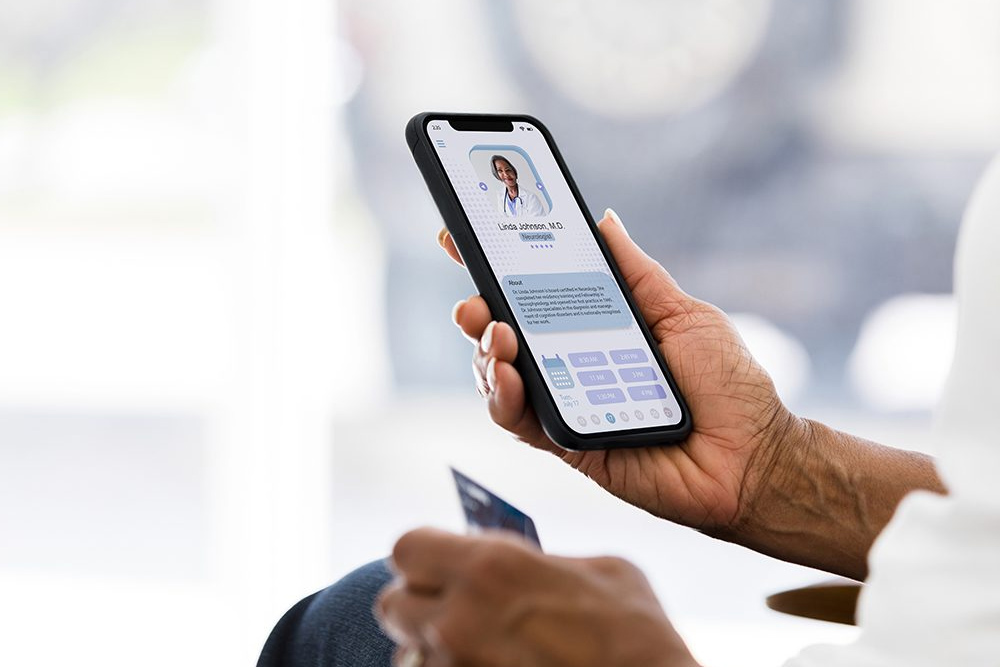
Patient portals used to be a “nice-to-have.” Today, they’re quickly becoming a must-have for modern medical practices.
From reducing phone calls to improving patient satisfaction scores, patient portals sit at the center of how care is delivered, communicated, and experienced. When used well, they save time for staff, empower patients, and help practices operate more efficiently – without sacrificing quality.
Let’s break down why patient portals matter, how they’re evolving, and what practices should focus on next.
What Is a Patient Portal (Really)?
At its core, a patient portal is a secure online hub where patients can interact with their care team and medical information. Most portals now allow patients to:
- View lab results and visit summaries
- Message providers securely
- Request prescription refills
- Schedule or confirm appointments
- Complete forms before visits
- Pay bills online
Think of it as a digital front desk that’s open 24/7 – without the hold music.
Why Patient Portals Matter More Than Ever
1. Patients Expect Digital Access
Healthcare consumerism is real. Patients now compare their healthcare experience to online banking, travel apps, and retail platforms.
A few telling stats:
- Over 90% of patients say digital tools improve their healthcare experience (Accenture)
- Practices offering easy online access report higher patient satisfaction and retention
- Secure messaging can reduce incoming phone calls by 15-30%, depending on practice size
If your portal feels clunky or underused, patients notice.
2. Less Administrative Burden for Staff
Front-desk burnout is a real issue – and patient portals help relieve pressure.
Portals can:
- Cut down on appointment-related phone calls
- Reduce paperwork and manual data entry
- Streamline refill requests
- Centralize patient communication
That means fewer interruptions, better focus, and smoother workflows for your team.
3. Better Engagement = Better Outcomes
When patients can easily access their health information, they’re more likely to stay engaged.
Engaged patients tend to:
- Follow care plans more closely
- Catch errors in medication lists or histories
- Ask informed questions
- Show up prepared for visits
Several studies have linked portal usage to improved chronic disease management, especially for conditions like diabetes and hypertension.
The Evolution of Patient Portals
Patient portals have grown up.
What started as “view-only” access to test results has evolved into interactive, two-way communication platforms. Modern portals now integrate with:
- EHR systems
- Telehealth visits
- Automated reminders
- Patient feedback and surveys
- Billing and payment tools
The best portals don’t feel like separate systems – they feel like a natural extension of your practice.
Common Mistakes Practices Make
Even well-intentioned portals can fall short. A few common pitfalls:
- Low adoption because staff don’t actively promote it
- Delayed responses to portal messages (patients expect speed)
- Overuse for complex issues that should be handled via visits
- Poor mobile experience (most patients log in from phones)
A portal only works if it’s actively supported and clearly positioned as part of the care process.
Best Practices for Getting the Most Out of Your Portal
Here’s what high-performing practices do differently:
1. Set Clear Expectations
Tell patients:
- What the portal is for
- When they can expect a response
- What issues require a visit or phone call
This prevents frustration on both sides.
2. Train Staff to Promote It
Front-desk and clinical staff should mention the portal consistently:
- At check-in and check-out
- During intake
- After visits
Adoption skyrockets when patients are personally invited.
3. Make It Mobile-Friendly
If it’s hard to use on a phone, patients won’t use it – period.
4. Use It as a Communication Channel, Not Just a Tool
Portals work best when they’re part of a broader engagement strategy that includes reminders, education, and follow-ups.
The Future of Patient Portals
Looking ahead, patient portals are becoming smarter and more personalized. Expect to see:
- AI-assisted messaging and triage
- Deeper integration with remote monitoring
- Personalized care reminders
- Tighter links between portals and patient feedback loops
In short: portals are shifting from “access points” to engagement engines.
Final Takeaway
Patient portals aren’t just about convenience – they’re about modern care delivery.
For doctors and practice managers, a well-used patient portal means:
- Happier patients
- Less strain on staff
- More efficient operations
- Stronger patient relationships
If your portal feels underutilized, it’s not a technology problem – it’s an opportunity.
And unlike most healthcare improvements, this one doesn’t require more hours in the day. Just smarter use of the tools you already have.