How IoT Devices Are Transforming Patient Monitoring & Care
The Internet of Things (IoT) is transforming industries worldwide, and healthcare is no exception. From wearable devices to connected medical equipment, IoT is reshaping how healthcare providers monitor and care for patients. By enabling real-time data collection, remote monitoring, and personalized treatment plans, IoT improves patient outcomes, reduces costs, and enhances overall healthcare efficiency.
As healthcare continues to evolve, integrating IoT devices is becoming essential for delivering high-quality, patient-centered care.
What Is IoT in Healthcare?
IoT in healthcare refers to a network of connected devices that collect, transmit, and analyze patient data in real-time. Examples include:
- Wearable sensors and smartwatches
- Connected medical devices
- Implantable health monitors
These devices send patient information securely to healthcare providers, enabling remote monitoring, early detection of health issues, and timely interventions.
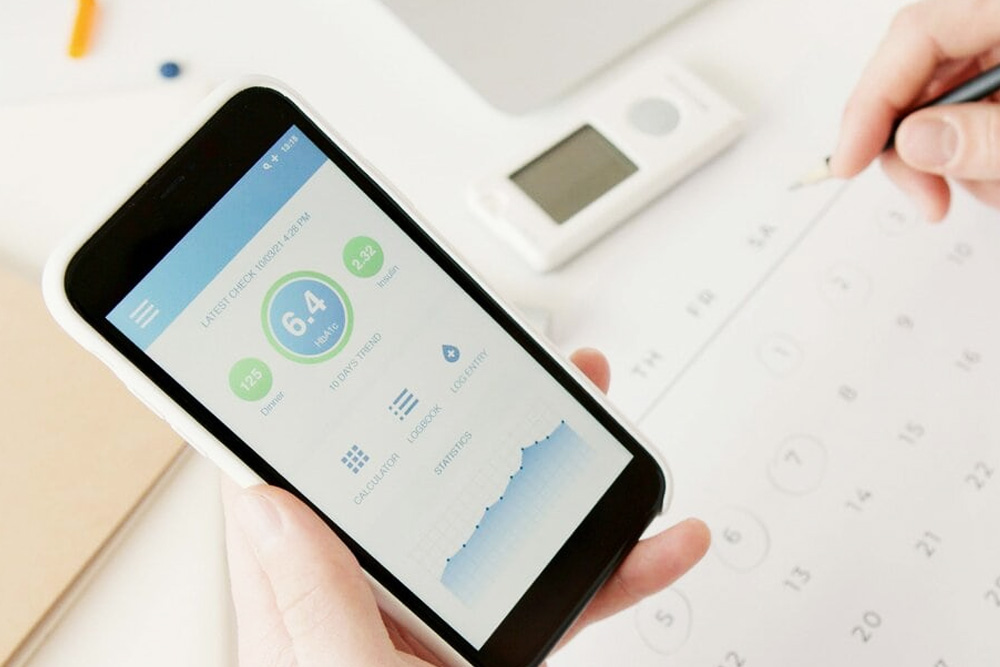
For example, a patient with diabetes can use a wearable device to track blood glucose levels throughout the day. This data is sent to their healthcare provider, who can adjust the treatment plan as needed. Continuous monitoring like this can prevent complications and improve the overall quality of care.
Enhancing Remote Patient Monitoring (RPM)
One of the biggest benefits of IoT in healthcare is remote patient monitoring. RPM uses IoT devices to track vital signs, symptoms, and other health metrics outside traditional clinical settings.
- Smart blood pressure monitors automatically record readings and send them to healthcare providers.
- Wearable ECG monitors detect irregular heart rhythms and alert both patients and doctors to potential cardiac events.
This continuous monitoring reduces hospital admissions, prevents emergency room visits, and lowers healthcare costs. RPM is particularly valuable for elderly patients or those in rural areas, giving them access to care without frequent trips to hospitals.
Managing Chronic Diseases More Effectively
Chronic conditions like heart disease, diabetes, and COPD are major challenges for healthcare systems worldwide. IoT devices provide real-time insights into patient health, helping providers manage these conditions more effectively.
- Connected inhalers track medication use and lung function for COPD patients.
- Smart scales monitor fluid retention in heart failure patients, alerting care teams before complications arise.
By giving patients real-time feedback, IoT devices encourage self-management, leading to better outcomes, fewer hospitalizations, and lower costs.
Streamlining Workflow for Healthcare Providers
IoT doesn’t just benefit patients — it also improves efficiency for healthcare providers. Automated data collection reduces administrative work, allowing providers to focus more on patient care.
- IoT devices can automatically update electronic health records (EHRs) with vital signs and test results.
- Tools like Dragon Medical One enable voice recognition and speech-to-text documentation, saving time and improving accuracy.
This combination of automation and connected technology ensures up-to-date records and better patient care.
Enabling Predictive Analytics and Personalized Medicine
The massive amounts of data from IoT devices can be analyzed to predict health outcomes and tailor treatments.
- Machine learning can identify early signs of heart disease using data from activity trackers, heart monitors, and sleep trackers.
- Providers can create personalized care plans based on a patient’s unique health data, leading to more effective treatments and fewer side effects.
This approach moves healthcare from reactive to proactive and preventive care.
Reducing Healthcare Costs
IoT can cut healthcare costs by preventing unnecessary hospital visits and enabling early interventions. For instance:
- Heart failure patients can be monitored remotely. If abnormal readings occur, providers can intervene before hospitalization is needed.
- Healthcare resources are better allocated by focusing attention on patients who need it most.
With healthcare spending projected to exceed $6 trillion globally by 2027, technologies like IoT can make a real impact on cost-efficiency.
Enhancing Patient Safety
Patient safety is a critical concern, and IoT can help in many ways:
- Smart infusion pumps adjust medication based on real-time vitals.
- Connected smart beds alert staff if patients are at risk of falling.
- Wearable badges track hand hygiene compliance in hospitals.
These technologies reduce errors, prevent infections, and improve patient outcomes, while building trust between patients and healthcare providers.
Addressing Data Security and Privacy
IoT devices generate massive amounts of sensitive data, making security and privacy paramount. Healthcare organizations must:
- Use encryption, access controls, and secure networks
- Keep devices updated with security patches
- Educate patients on data privacy and control over their health information
Compliance with regulations like HIPAA in the U.S. and GDPR in Europe is critical to maintaining trust and protecting sensitive health data.
The Future of IoT in Healthcare
The future of IoT in healthcare is bright. Emerging technologies like AI, machine learning, and 5G will make IoT devices smarter, faster, and more reliable.
- Predictive analytics will help prevent health issues before they arise.
- New wearables and implantables will provide even more comprehensive health data.
- Integration with tools like Dragon Medical One will make healthcare delivery more connected and patient-centered.
IoT will continue to improve patient outcomes, reduce costs, and streamline care, shaping the healthcare of tomorrow.
Conclusion
IoT devices are revolutionizing healthcare. They enable real-time monitoring, remote care, and personalized treatment, while reducing costs and improving patient safety.
By combining IoT with technologies like Dragon Medical One, healthcare providers can create a connected, efficient, and patient-centered system, ensuring better outcomes and higher-quality care for all.